

Every year, the first question in most homes before Navratri is the same: what do we eat during the fast that isn't sabudana again? Makhana usually wins that argument. It is light, it keeps you going through a long day, and it doesn't leave you sluggish before an evening of garba. But not every packet of makhana is fit for a vrat. This guide explains when makhana for Navratri fast is the right choice, what to check on the label, and six easy ways to eat it between 11 and 20 October 2026.
Is Makhana Allowed in Navratri Fast?
Yes. Makhana (fox nuts, or phool makhana) is a seed of the water lily, not a grain or a pulse, so most families treat it as a phalahar food alongside fruits, milk, sabudana, singhara and kuttu. The catch is not the makhana itself; it is what gets added to it. Plain or rock-salt makhana is vrat-friendly. Most masala flavours are not.
Why makhana fits the vrat plate
Fasting rules exclude cereals like wheat and rice, lentils, onion, garlic and regular table salt. Makhana sits outside all of those, which is why it has been part of vrat cooking in North and West India for generations.
- It is a seed, not an anaaj (grain), so it doesn't break the fast.
- Roasted makhana is very light and easy on the stomach during a long fast.
- Per 100 g, raw makhana has roughly 347 kcal, about 9.7 g protein and almost no fat.
- It needs very little oil or ghee to become crisp.
- It works sweet or savoury, so one packet covers both cravings.
A quick note on family traditions
Vrat rules differ from home to home and region to region. Some families skip all packaged food, some allow only one meal, some avoid even spices like red chilli. Use this as a general guide, and follow what your family and elders practise.
- Nirjala or strict fasts may not allow any snack at all.
- Some homes accept black pepper and jeera; others avoid them.
- Ekadashi-style fasts can have different rules from Navratri.
- When unsure, plain makhana roasted in ghee at home is the safest option.
How to Pick Vrat-Friendly Makhana: Read the Label
Flavoured makhana is made for everyday snacking, not for fasting. Two minutes with the ingredient list will tell you whether a packet belongs in your Navratri basket.
Ingredients that make makhana vrat-friendly
The shorter the list, the better. A vrat-safe pack should read almost like something you would make in your own kitchen.
- Fox nuts (makhana) as the main ingredient.
- Sendha namak, rock salt or Himalayan pink salt instead of regular salt.
- Ghee, olive oil or groundnut oil for roasting.
- Black pepper or roasted jeera, if your family allows them.
- No onion, garlic, maida or cereal-based fillers.
Ingredients to avoid during the fast
Most "masala" and "cheese" flavours depend on seasoning blends that include things fasting rules leave out. These are delicious after Dussehra, not during the nine days.
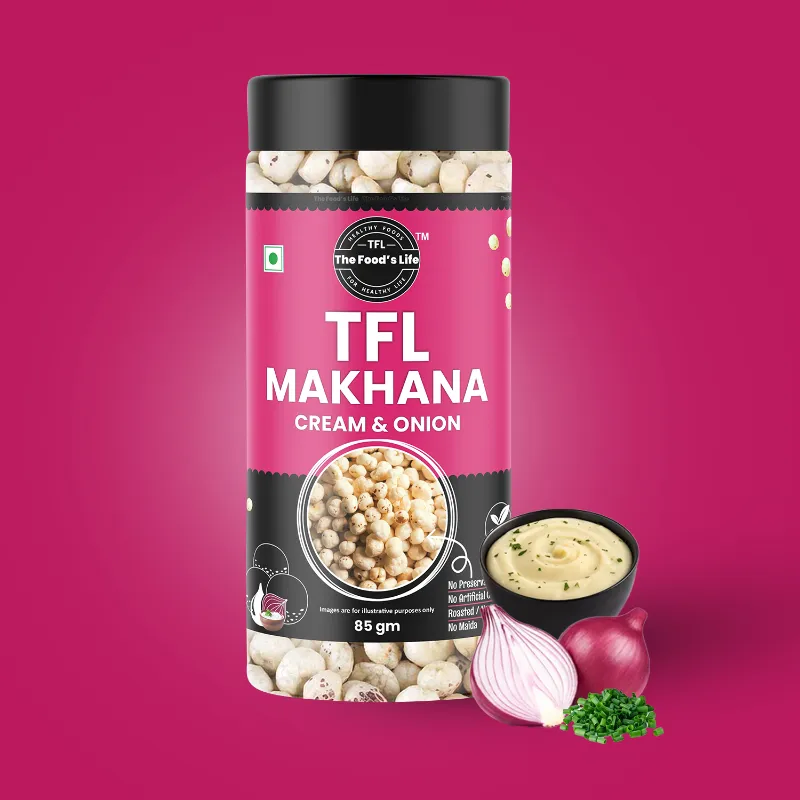
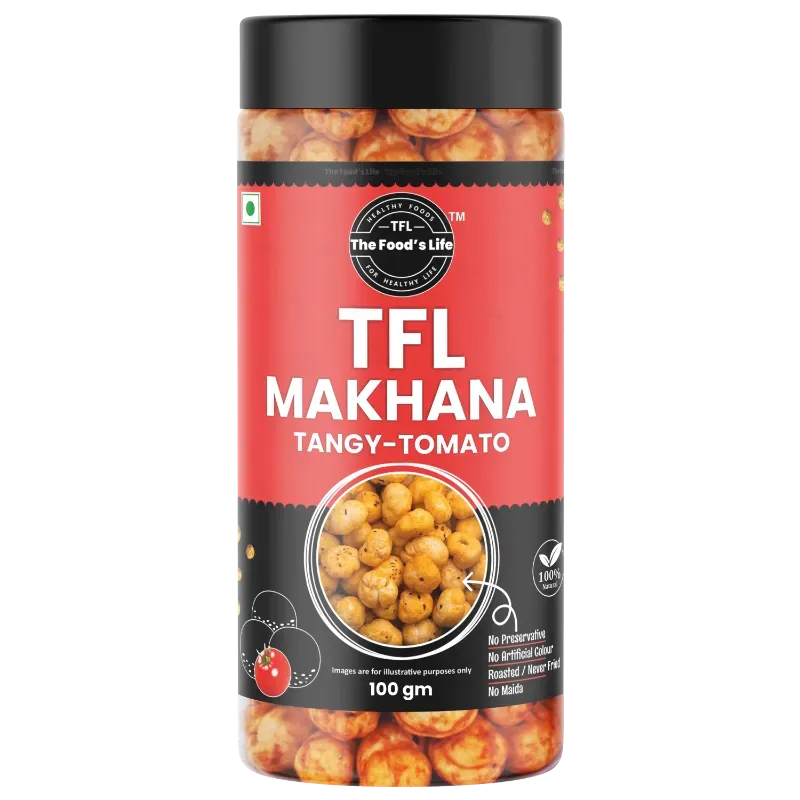
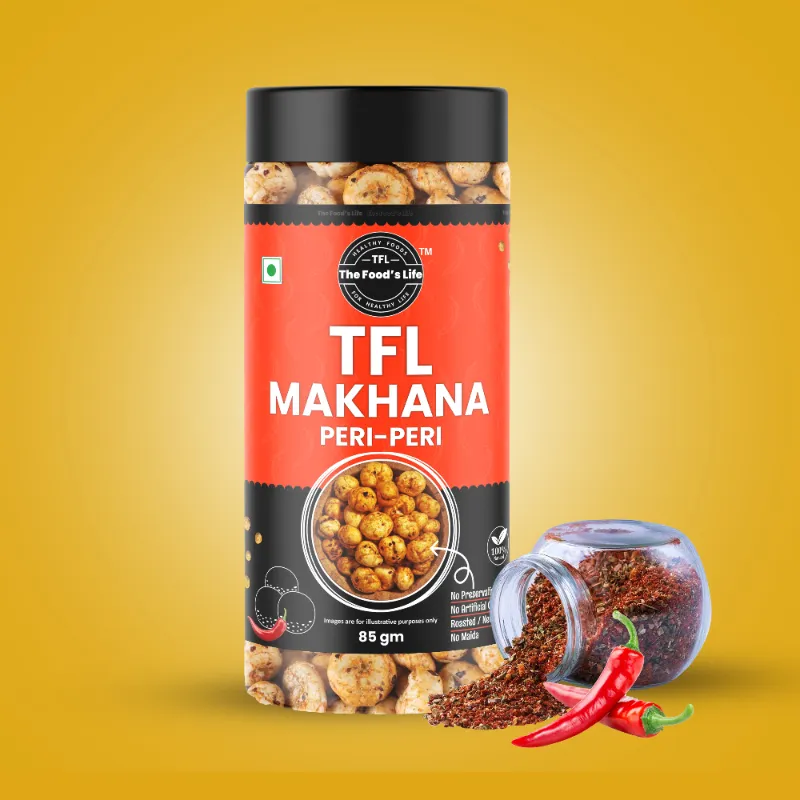
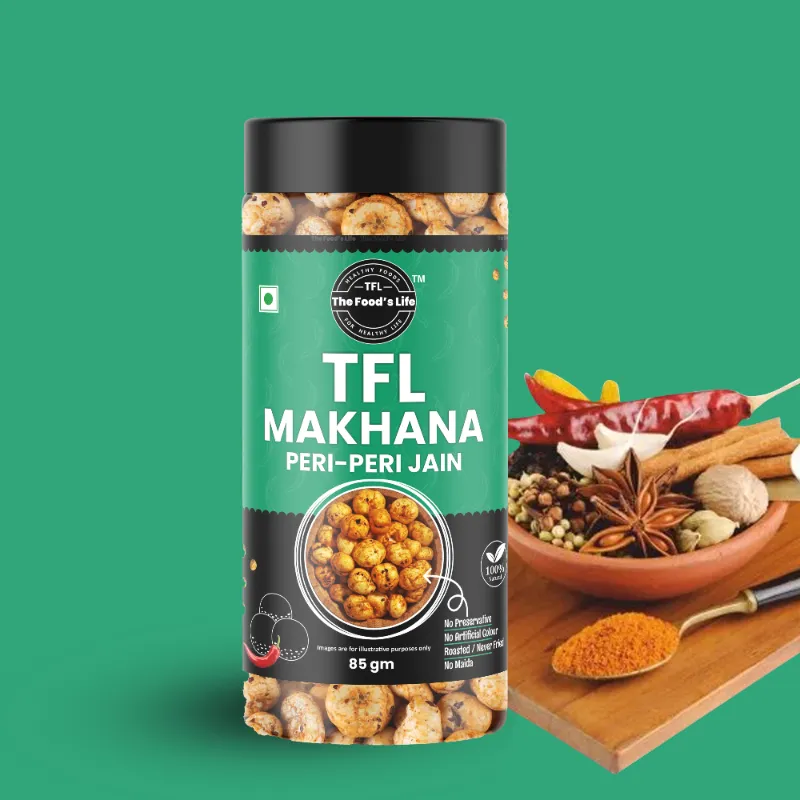
- Onion powder and garlic powder (common in tomato, peri-peri and cream & onion flavours).
- Regular iodised salt listed simply as "salt".
- Maltodextrin or starches made from corn or wheat.
- Vague "spices and condiments" with no breakdown.
- Flavour enhancers and yeast extract, if your family avoids them.
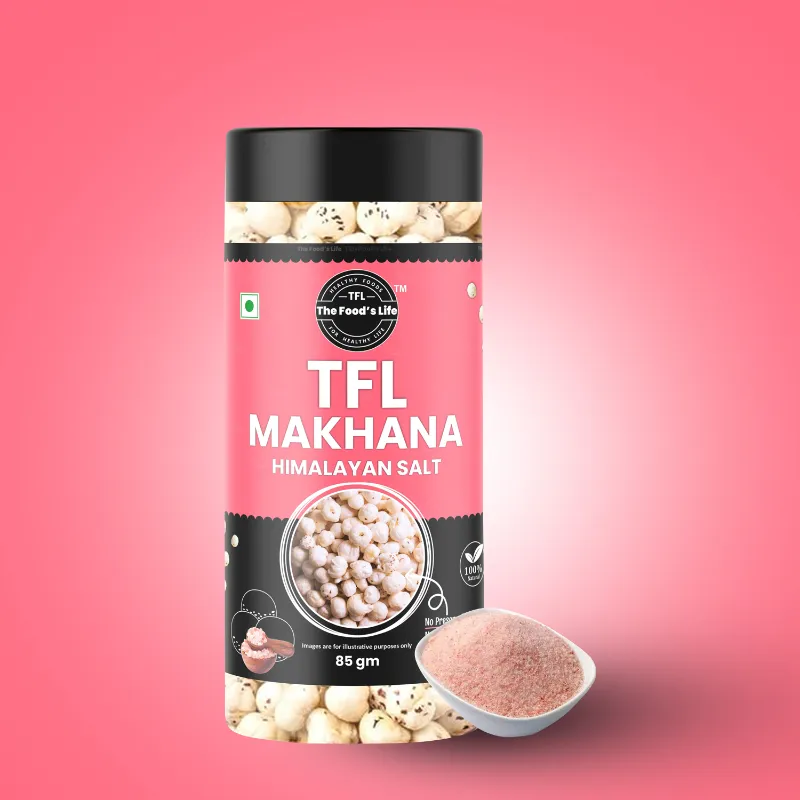
Our vrat pick: Himalayan Salt Makhana
United Foods' Makhana (Himalayan Salt) has just three ingredients: fox nuts from Bihar, Himalayan pink salt and olive oil. Himalayan pink salt is a rock salt, so most families accept it as sendha namak during Navratri.
- Three-ingredient list, nothing hidden.
- No onion, garlic or maida.
- Roasted, not deep-fried.
- Comes as 5 × 100 g packs, easy to carry to the pandal or office.
- Save our other flavours for after the fast.
6 Easy Navratri Vrat Snacks with Makhana
You don't need a new recipe every day. These six ideas take between zero and fifteen minutes and use ingredients most homes already stock for Navratri.
1. Straight from the pack
The simplest option for busy days. A small bowl of rock-salt makhana between the morning puja and lunch keeps hunger quiet without feeling heavy.
- Keep one 100 g pack in your bag or desk drawer.
- A handful (about 25–30 g) is a sensible single serving.
- Pair it with a glass of buttermilk or coconut water.
- Close the pack tightly so it stays crunchy.
2. Makhana-peanut vrat chivda
Toast makhana and raw peanuts in a teaspoon of ghee, then season with sendha namak and crushed black pepper. It is crunchy, salty and perfect with evening chai.
- Use 2 parts makhana to 1 part peanuts.
- Add a few curry leaves for aroma, if allowed at home.
- Toss in some raisins for a sweet-salty mix.
- Cools in 10 minutes and stores for 3–4 days in an airtight jar.
3. Makhana kheer
A classic prasad and a satisfying dessert after the evening aarti. Roast makhana lightly in ghee, crush half of it, and simmer everything in full-fat milk until creamy.
- Sweeten with sugar or jaggery, as per your custom.
- Add cardamom and a few strands of saffron.
- Finish with chopped almonds and cashews.
- Crushing half the makhana makes the kheer thicker, faster.
4. Makhana raita
Good for hot October afternoons, especially in Gujarat. Whisk curd with sendha namak and roasted jeera powder, then fold in roasted makhana just before serving.
- Add the makhana at the last minute so it stays crunchy.
- Grated cucumber adds freshness.
- Sprinkle a pinch of black pepper on top.
- Serves well alongside kuttu or rajgira rotis.
5. Vrat trail mix
Mix makhana with plain almonds, plain cashews and raisins for an energy-dense snack. It is handy on long fasting days when you need something more filling.
- Use unflavoured nuts only; flavoured ones often carry masala blends.
- Add dried figs or dates for natural sweetness.
- Portion into small jars for the whole week.
- Keep portions modest, as nuts are calorie-dense.
6. Garba-night pocket pack
Dancing for three hours on a fasting stomach is hard. A small pack of makhana before you leave gives you something light to eat without the heaviness of fried snacks.
- Eat a handful about an hour before you start dancing.
- Carry water or nimbu pani with sendha namak.
- Avoid heavy, oily snacks right before garba.
- Share a pack with your group; it is easy to split.
Makhana vs Other Common Vrat Snacks
Every vrat food has its place. Here is how makhana compares with other options people reach for during Navratri.
| Vrat snack | How it is usually made | How it feels | Best for |
|---|---|---|---|
| Roasted makhana | Dry-roasted or with a little ghee/oil | Light, crunchy | Anytime snacking, garba nights |
| Sabudana vada | Deep-fried | Heavy, filling | Occasional treat |
| Potato chips (vrat) | Deep-fried | Oily | Small portions only |
| Fruit bowl | Fresh | Light, hydrating | Mornings |
| Dry fruits | Plain or roasted | Dense, energising | Long fasting days |
Health Tips for a Comfortable Navratri Fast
Makhana helps, but a good fast is really about balance. These small habits make the nine days easier on the body.
Simple habits that help
Most discomfort during fasting comes from long gaps, too little water and too much fried food. Fixing those three things makes a big difference.
- Drink water, buttermilk or coconut water through the day.
- Eat small portions every few hours instead of one heavy meal.
- Choose roasted over fried wherever you can.
- Include curd, milk or paneer for protein.
- If you have diabetes, BP concerns or are pregnant, speak to your doctor before fasting.
Ordering Makhana in Bulk for Navratri
Planning prasad packs, garba event giveaways, corporate Navratri hampers or stock for your store? United Foods supplies makhana, granola, cookies and dry fruits in bulk and for private-label orders from Vadodara, Gujarat. Browse the full range or contact our team for bulk pricing. Retail orders above ₹699 ship free.
Frequently Asked Questions
Can we eat makhana in Navratri fast?
Yes. Makhana is a water-lily seed, not a grain or pulse, so it is widely accepted as a vrat food. Choose plain makhana or makhana seasoned only with sendha namak, and avoid flavours with onion, garlic or regular salt.
Which makhana flavour is best for vrat?
Plain or rock-salt makhana. United Foods' Himalayan Salt Makhana contains only fox nuts, Himalayan pink salt and olive oil, which suits most Navratri fasting practices.
Is Himalayan pink salt the same as sendha namak?
Both are rock salts, and Himalayan pink salt is commonly used as sendha namak. Most families accept it during fasts, but if your household follows a specific tradition, go with that.
Can I eat flavoured makhana like peri-peri or tomato during Navratri?
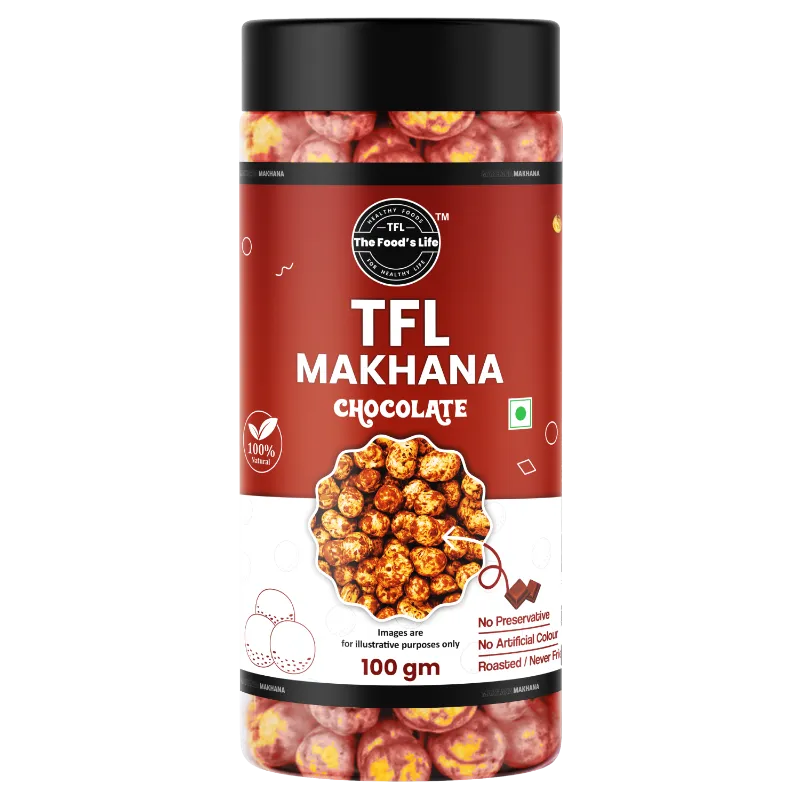
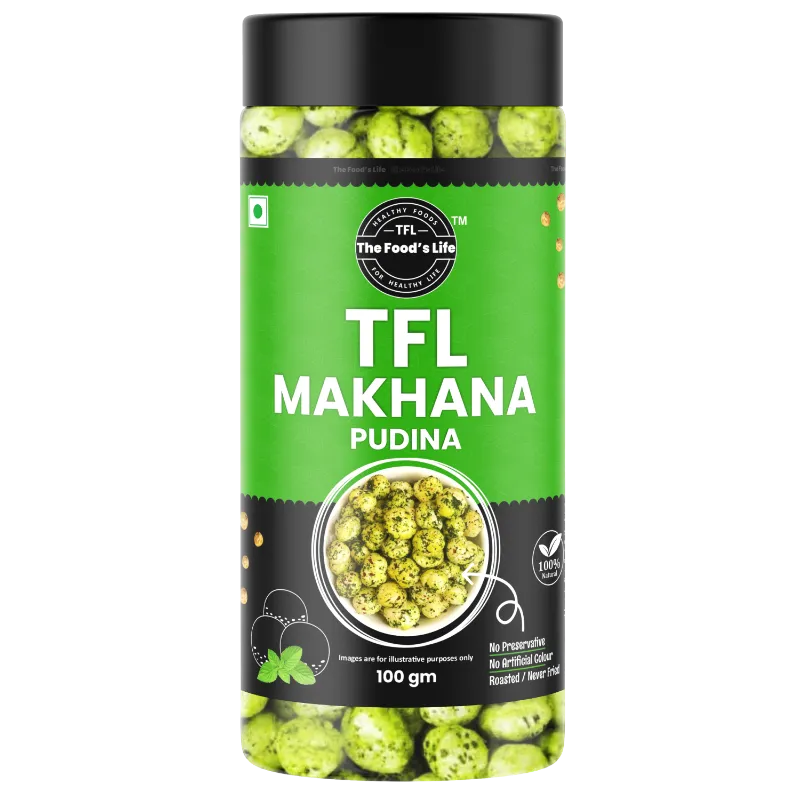
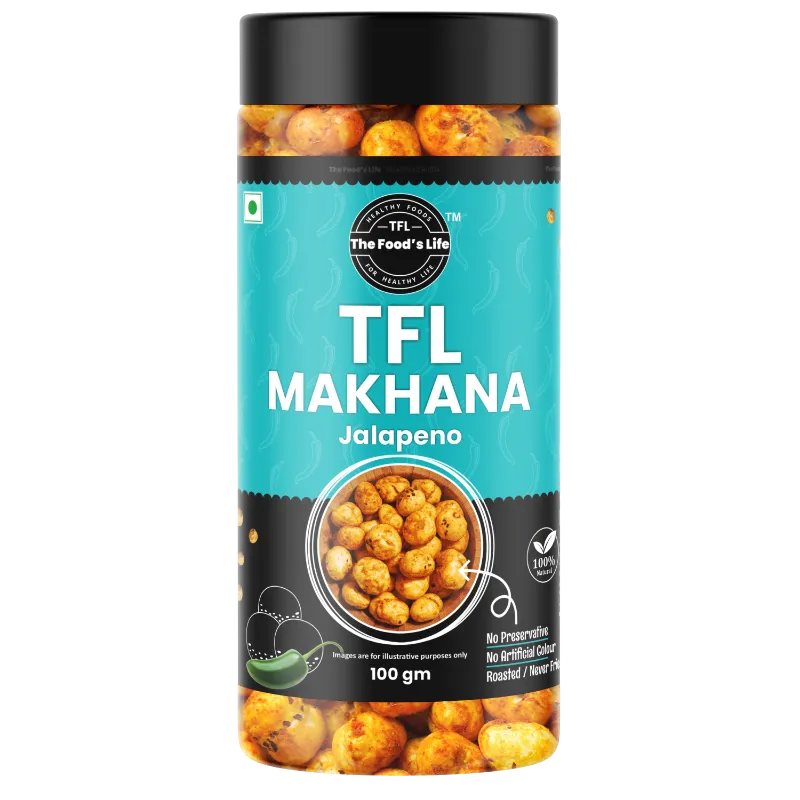
Usually not. These flavours typically contain onion or garlic powder, regular salt and other additives that most fasting rules exclude. Keep them for after Dussehra.
How much makhana can I eat during a fast?
A handful of about 25–30 g per sitting is a reasonable snack portion. You can have it two or three times a day alongside fruit, milk and your main vrat meal.
When is Navratri in 2026?
Sharad Navratri 2026 begins on Sunday, 11 October with Ghatasthapana and ends with Vijayadashami (Dussehra) on Tuesday, 20 October. Check your local panchang for exact muhurat timings.
Is makhana good for garba nights?
Yes. It is light, easy to carry and doesn't feel heavy, so a handful about an hour before dancing works well. Pair it with water or nimbu pani to stay hydrated.
Conclusion
Makhana earns its place on the Navratri plate because it is simple, light and genuinely filling. Just remember that "vrat-friendly" depends on what is on the label, not only on what is inside the pack. Pick rock-salt makhana for the nine days, try a couple of the recipes above, and save the masala flavours for the Dussehra celebrations. Stock up on Himalayan Salt Makhana before 11 October, and have a happy, healthy Navratri.